
You found us because you typed something like reggaeton class Montreal into Google, but now you are stuck on the follow-up question: there is also an afrobeats class on the schedule, and they sound like cousins. Are they the same party with two names? Short answer: no. Same joyful energy, completely different groove.
Both classes will make you sweat, smile and forget to check your phone for 50 minutes. But the music comes from opposite sides of the Atlantic, the beat sits in your body differently, and the moves feel nothing alike. Here is the honest breakdown, so you can pick your first class like a pro, or just do what most people end up doing and take both.
La version courte
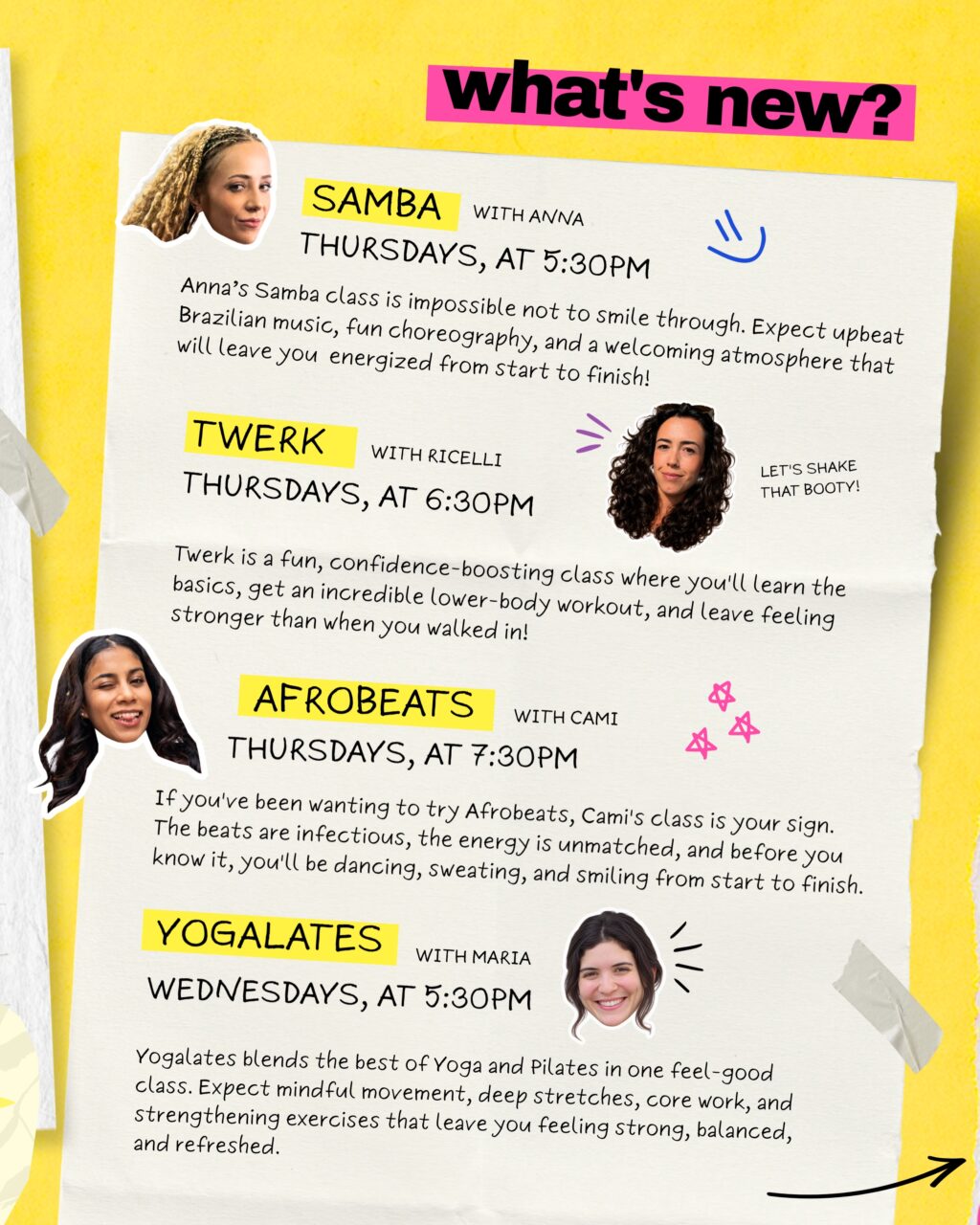
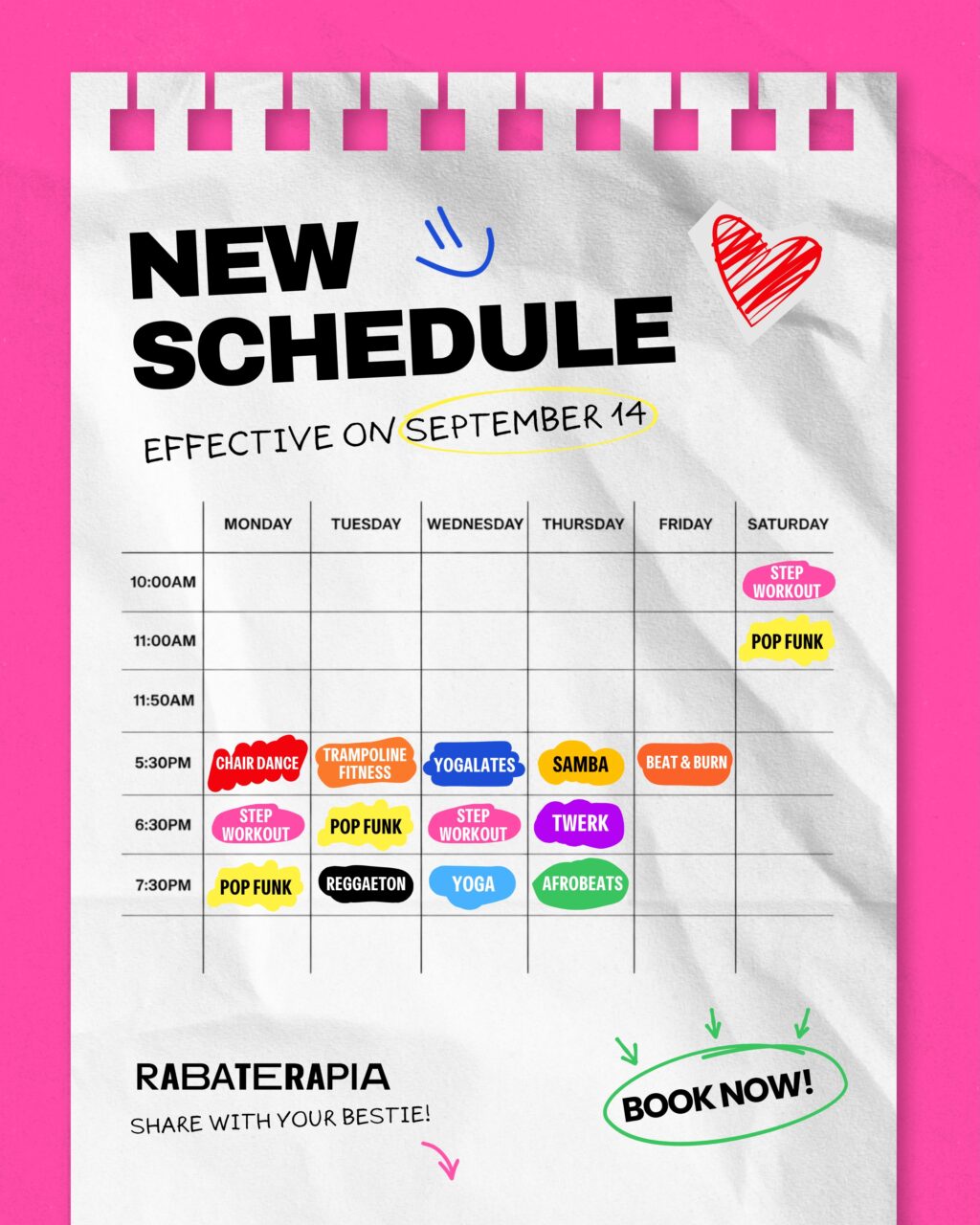
Notre cours de reggaeton class in Montreal is built on the dembow beat from Puerto Rico and Panama: grounded, hip-driven, a little bit spicy, with choreographies packed with attitude. An afrobeats class is built on West African rhythms from Nigeria and Ghana: bouncy, flowing and joyful, all about groove and musicality. At Rabaterapia, Reggaeton runs Tuesday and Thursday at 7:30 PM with Camila, and Afrobeats runs Thursday at 7:30 PM with Cami, at 4010 Ste-Catherine O, #260, near Atwater metro. Both are 50 minutes, all levels, no experience needed.
Okay, so what is reggaeton, really?
Reggaeton was born in the underground party scene of Puerto Rico and Panama in the 1990s, mixing dancehall, reggae en español and hip hop. Its heartbeat is the dembow, a looping rhythm you can recognize in about two seconds: boom, chicka, boom, chicka. Once you hear it, your hips get the memo before your brain does.
The sound went global with artists like Daddy Yankee, Bad Bunny, Karol G and Feid, and it never really left the charts since. In class, that translates into grounded steps, hip isolations, body rolls and choreography with a nightclub attitude. Our teacher Camila González is from Colombia, has been dancing since she was 6, and builds every Reggaeton class to feel like the best part of a night out, minus the sticky floor.
And afrobeats is a whole different party?
Completely. Afrobeats (with an s) is the modern pop sound of West Africa, mostly Nigeria and Ghana, carried worldwide by artists like Burna Boy, Wizkid, Tems and Rema. It blends African rhythms with pop, dancehall and a little amapiano bounce, and the result is sunny, melodic and impossible to stand still to.
Where reggaeton pulls you down into your hips, afrobeats lifts you up. The movement is bouncy, loose and flowing: lots of groove, footwork, shoulders and full-body waves, with room to add your own personality. In our Afrobeats class, Cami breaks every groove down step by step, teaches the foundations first, then builds the choreography with the music, so you are dancing the rhythm, not just copying steps.
Side by side: which one is your vibe?
| Reggaeton | Afrobeats | |
|---|---|---|
| Where it is from | Puerto Rico and Panama, Latin party roots | Nigeria and Ghana, West African pop |
| The beat | The dembow loop, steady and hypnotic | Layered, bouncy, melodic grooves |
| How your body moves | Grounded, hips lead, sharp accents | Light on your feet, flowing, full-body groove |
| The energy | Spicy, confident, nightclub attitude | Joyful, feel-good, big smiles |
| At Rabaterapia | Tuesday and Thursday, 7:30 PM, with Camila | Thursday, 7:30 PM, with Cami |
Still torn? Here is the tiebreaker our students use: if your playlists are full of Bad Bunny and Karol G, start with the reggaeton class in Montreal. If Burna Boy and Tems live in your headphones, start with the afrobeats class. Your taste in music is honestly the best compass, because you will always push a little harder on a song you love.

What actually happens inside the 50 minutes?
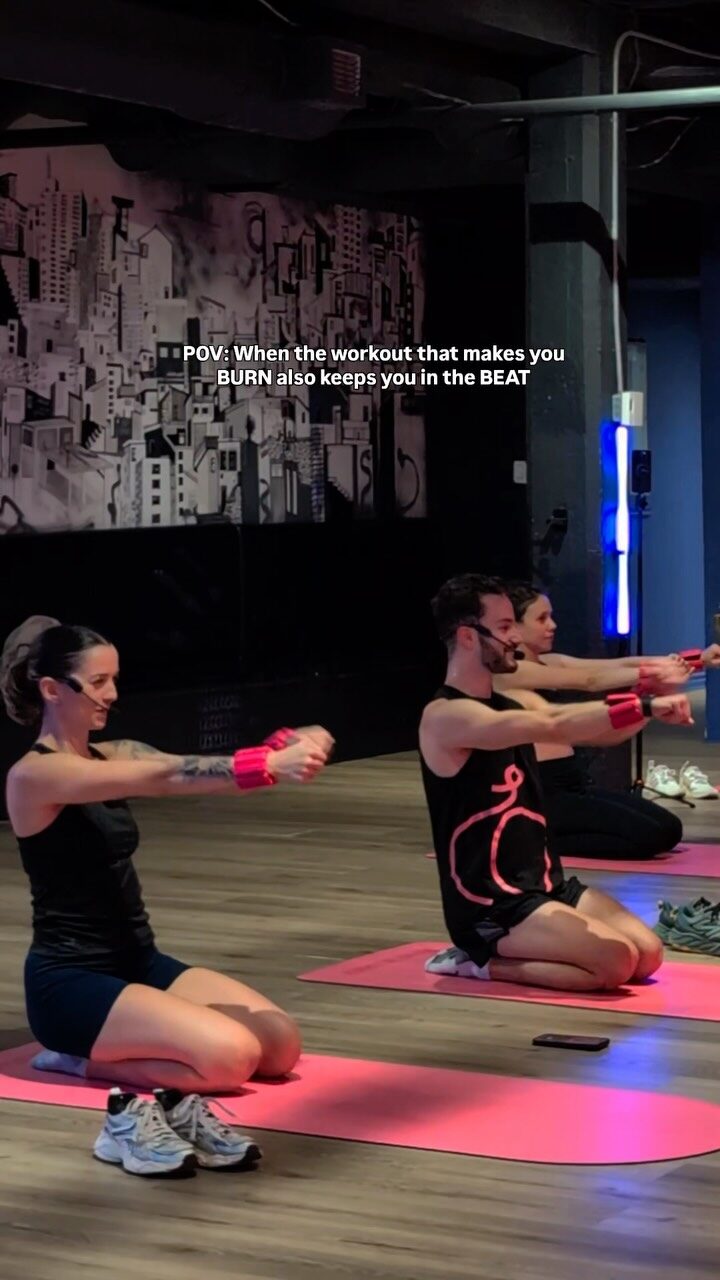
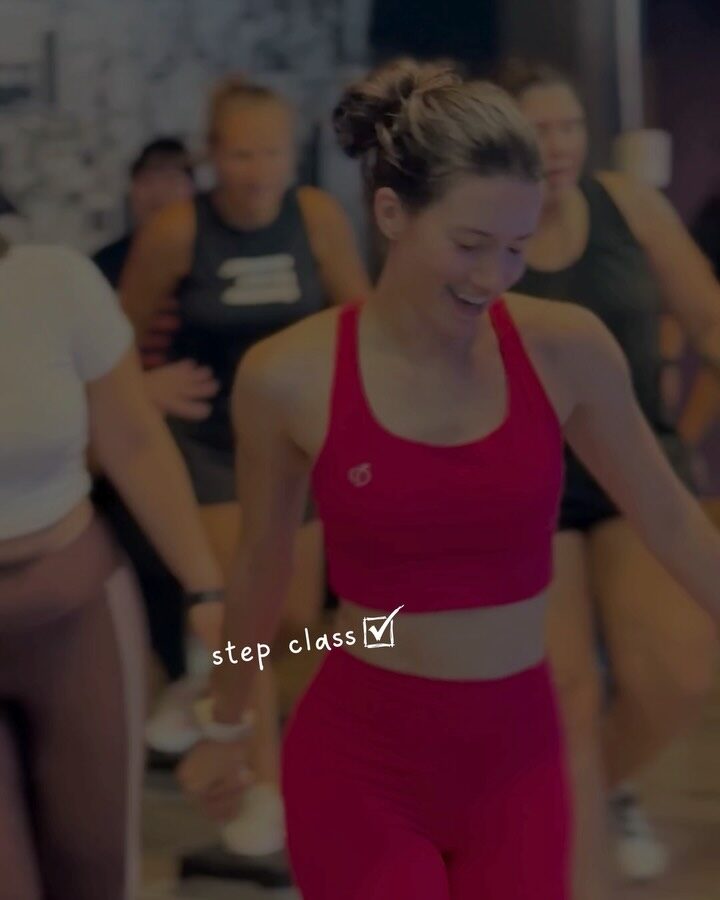
Whichever class you pick, the flow is friendly and predictable, which is exactly what you want as a beginner. You arrive, settle in and meet the group. Then a warm-up wakes up your body and finds the groove. The teacher teaches the movements in small pieces, with time to repeat, ask and laugh at the wobbly first attempts. Then everything comes together with the music in one choreography, and class ends with a stretch and a positive message.
Both classes are taught in English, French and Portuguese, and both are designed for all levels. The steps are shown, not just called out, and there is always an easier version and a spicier version of the hard parts. Your only job is to keep moving and have fun with it.
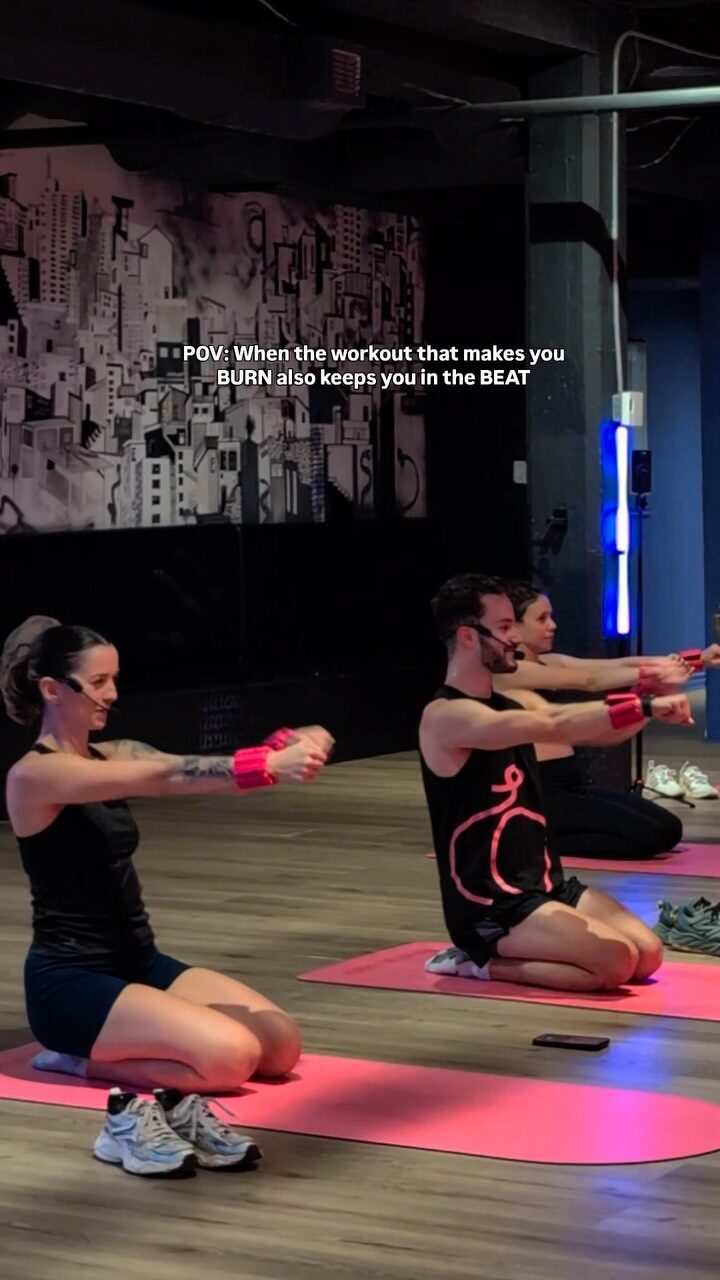
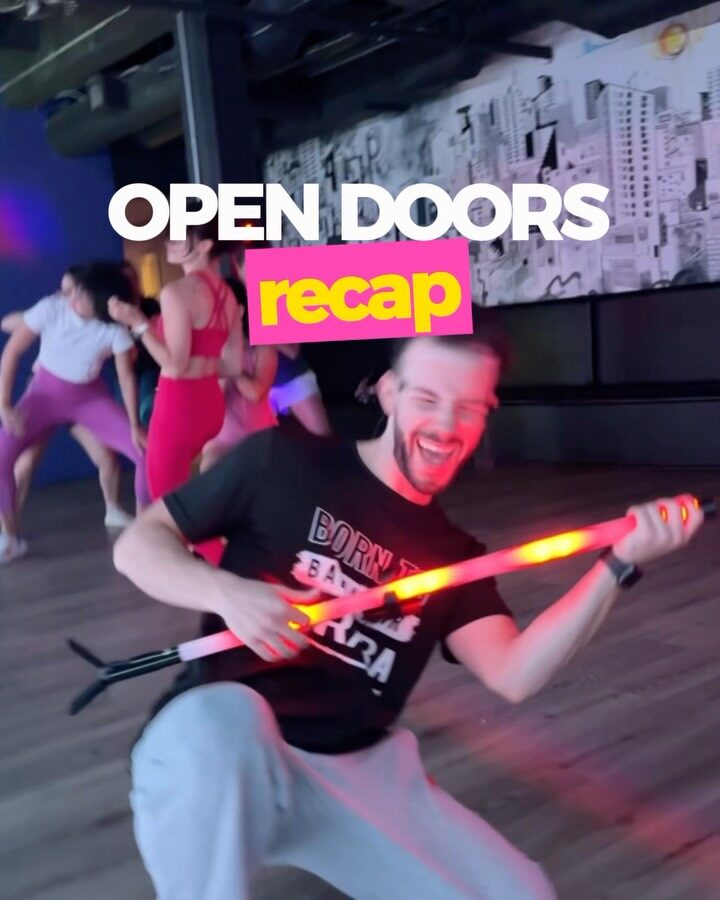
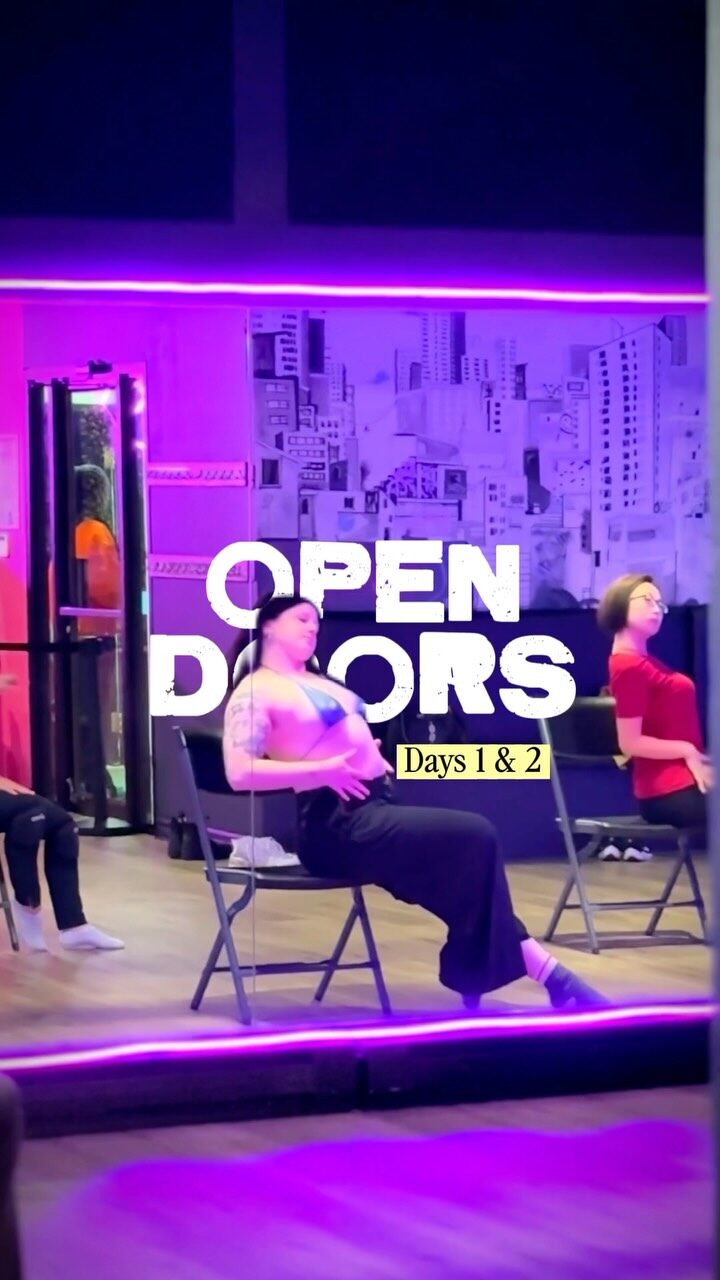
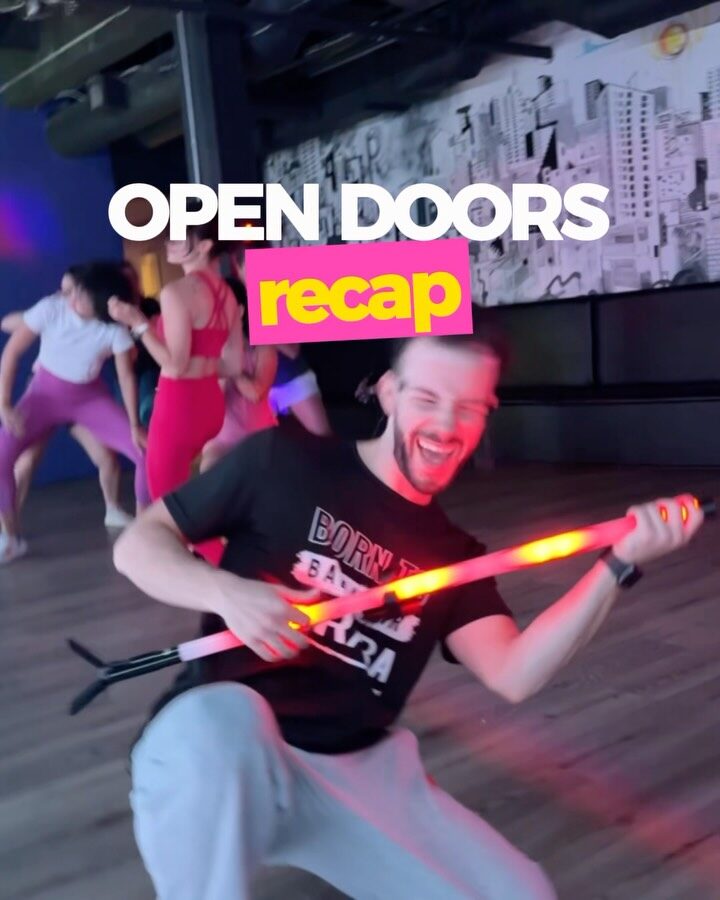
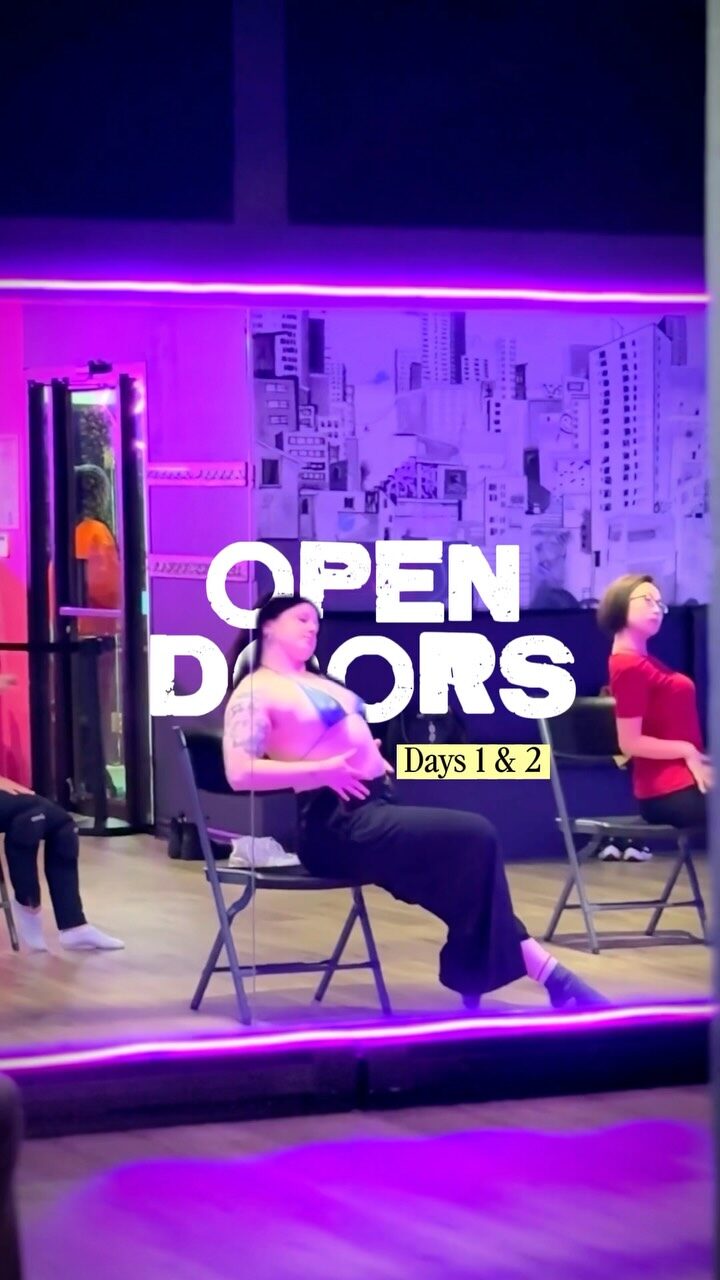
Watch what a real class with us looks like, filmed in our studio:
“One of the most special places I go! Dance classes are my favorite time of the week to relax my mind and spend energy knowing that there is no judgment and you just have to enjoy and have fun!”
Google review, shown on the Rabaterapia homepage

Your first class, zero stress checklist
- Que porter : leggings, shorts or joggers, a comfy top and clean indoor sneakers you can move and bounce in.
- Que prendre avec soi : a water bottle and a small towel. Both classes are real cardio, in the best way.
- Arrivez 10 minutes avant l'heure prévue : tell Camila or Cami it is your first class. They will keep an eye on you.
- Choisissez votre emplacement : middle or back row is the classic beginner strategy. Zero shame, all comfort.
- Try both before you decide: the 3-class trial exists for exactly this experiment.
Vous hésitez encore ? Laissez-nous vous répondre
So, team dembow or team groove?
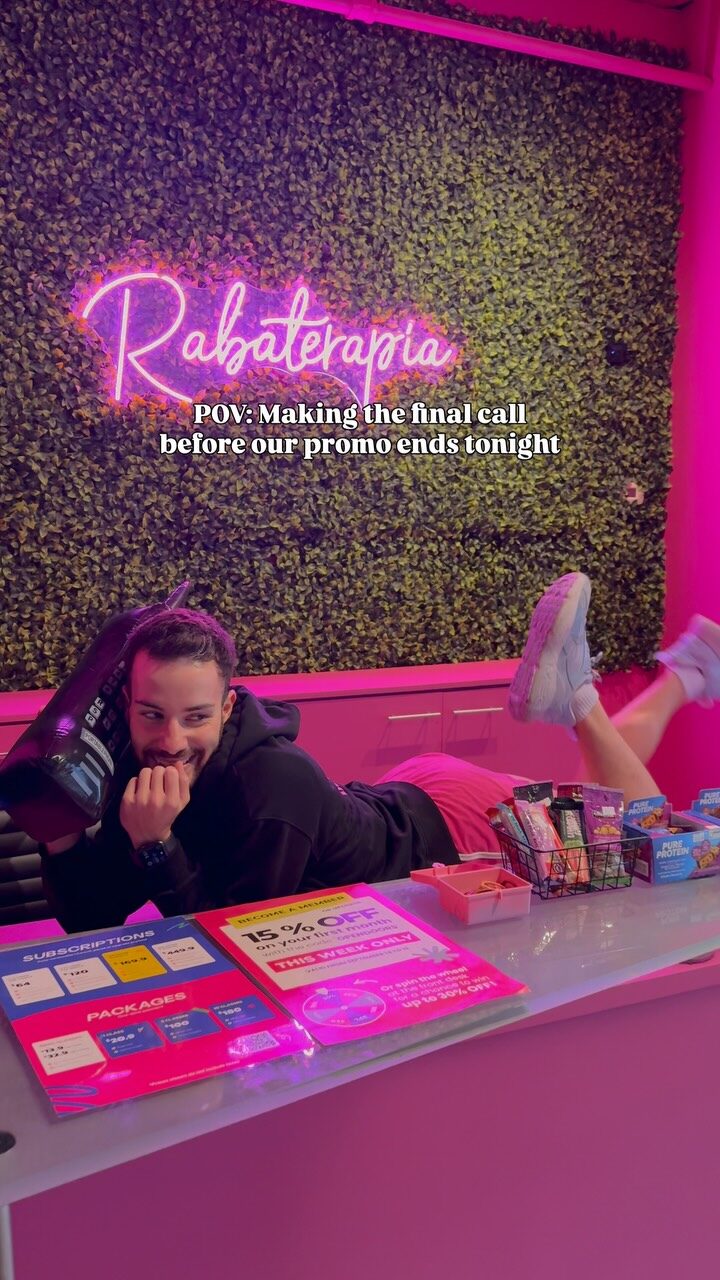
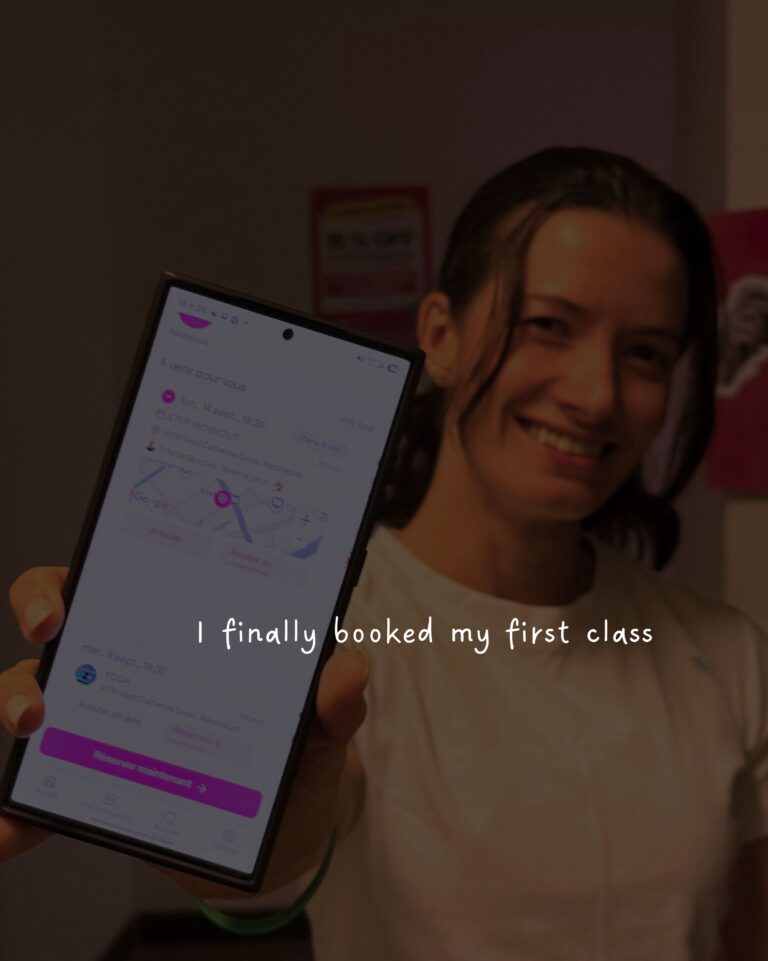
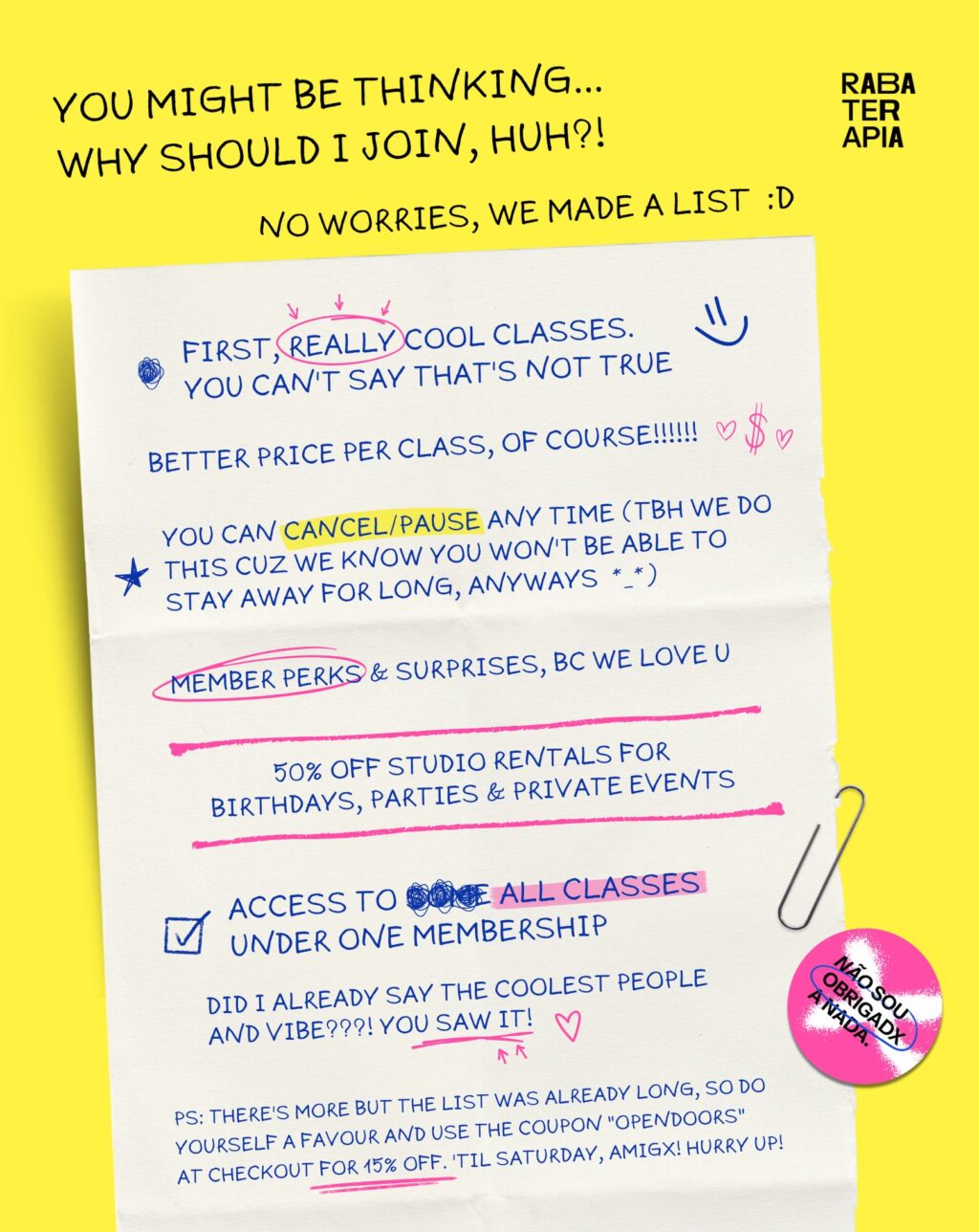
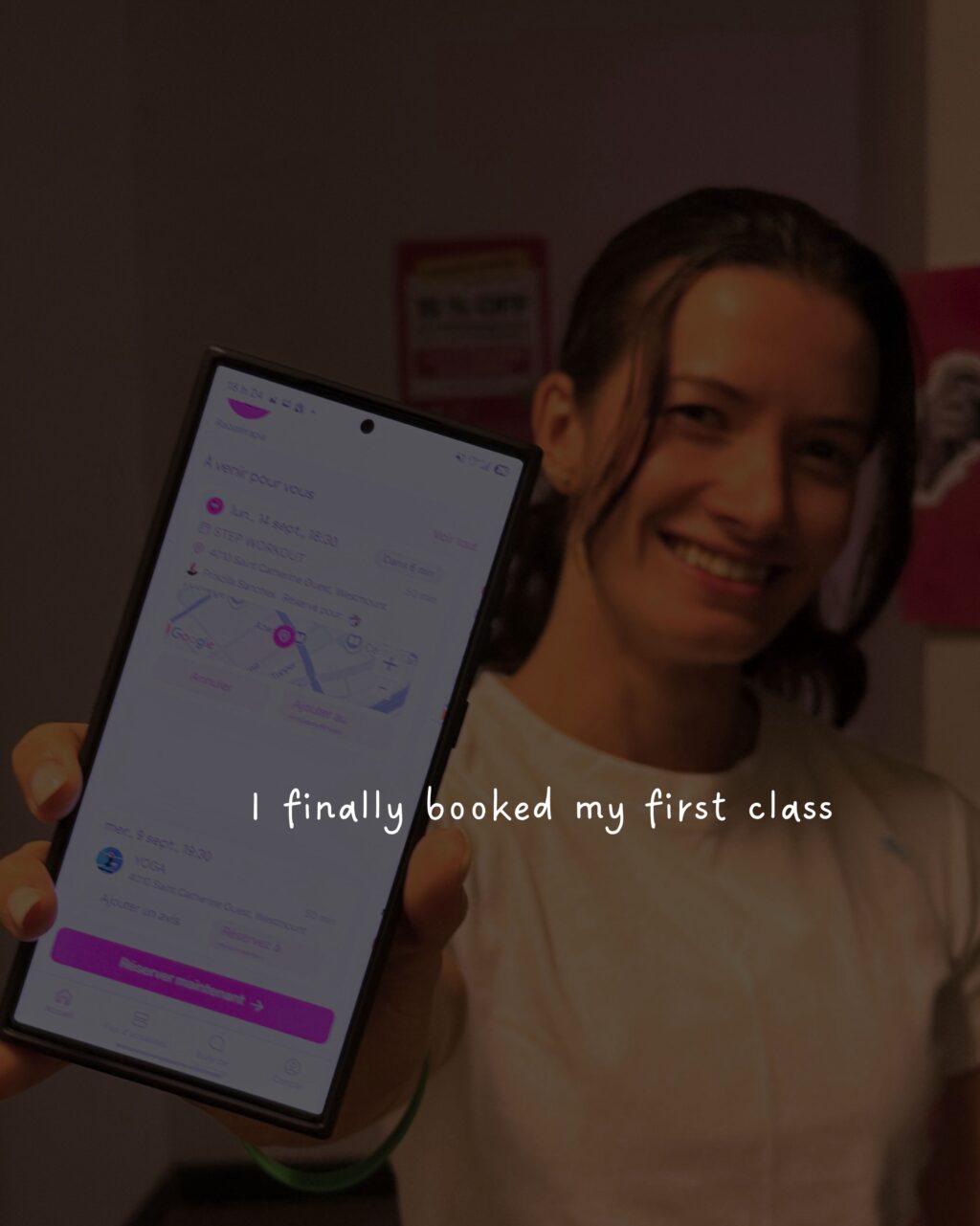
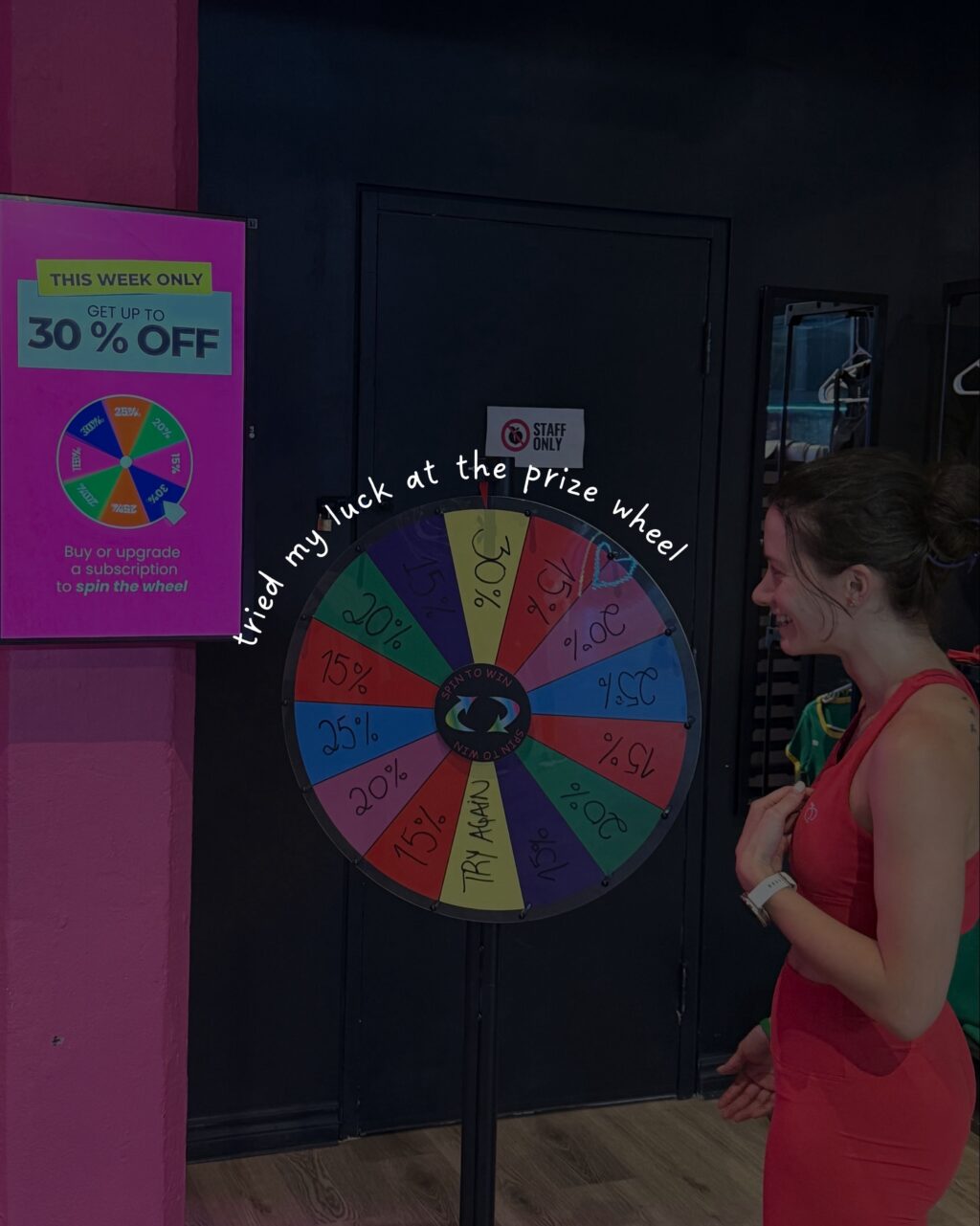
Now you know the difference, and honestly there is no wrong answer, only a first class. Start with a trial class for $13.90 (or 3 classes for $32.90 and test both), book your spot in the Rabaterapia app, and come feel it in your body instead of reading about it. Members save up to 30% on each class, can bring a friend to try a class for free, and can change, pause or cancel their plan whenever they need.
Réserve ta place Watch our class videos on Instagram
Not ready yet? Follow @rabaterapiaoficial on Instagram for real videos from our Reggaeton and Afrobeats classes. Fair warning: the groove is contagious.
L'équipe Rabaterapia










 French
 English
 Portuguese

